

Behind each perfectly filled capsule is complex machinery operating at lightning-fast rates. Billions of capsules are created every day in pharmaceutical and nutraceutical facilities throughout the world, and understanding how this happens can help you enhance your manufacturing process.
Knowing the differences between machine types saves you time, money, and headaches when launching a supplement brand or expanding an existing pharmaceutical business. Let’s go over all you need to know about capsule filling machines.
What Are Capsule Filling Machines?
Sembsun’s solutions automate the capsule filling process from beginning to end. Consider them precise assembly lines that separate empty capsules, measure correct amounts, fill them with your product, and seal them.
The Capsule Filling Machine technology handles two main capsule types.
Hard capsule fillers work using the traditional two-piece capsules that can be twisted open. This is utilized for the majority of vitamins and pharmaceuticals.
Soft gel machines produce single-piece capsules, such as fish oil caps, by making and filling them simultaneously.
What distinguishes modern capsule fillers is their precision. On advanced models, our machines maintain accuracy of ±0.1 mg. Consistency is important when packaging life-saving drugs and daily supplements.
Types of Machines: Finding Your Match
Blister Packaging Machines for Capsules
Sumbpack’s blister packaging devices take filled capsules and place them in the familiar clear plastic blisters backed with foil or cardboard.
How it works: Capsules enter the machine. Heated molds convert plastic into bubble chambers. Capsules descend into each cavity. Heat and pressure cause aluminum foil to seal over the top. A cutting station divides individual blisters or blister cards.
Premade Pouch Packaging for Bulk Capsules
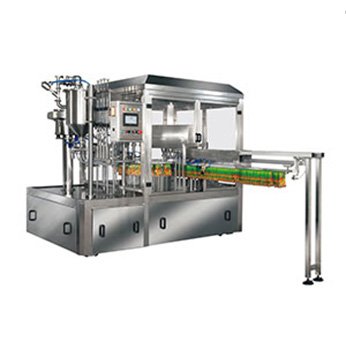
Premade packaging for bottles full of capsules in a single elegant bag. The rotary prepared pouch machine can produce stand-up pouches, zipper bags, and resealable formats that customers enjoy.
How It Works: Pre-made pouches are loaded into the feeding station. The pouches rotate through eight stations, which include opening, filling with counted capsules, sealing, and discharge.
Vertical Form Fill Seal Machines for Single Doses
From film roll to finished sachet in one fluid action. Vertical packaging machines produce compact sachets, ideal for single-serving capsule packs.
How It Works: The film unrolls vertically. The machine shapes it into a tube and adds a vertical seam. Bottom seals. Pre-counted capsules are dropped in. Top seals and cuts. Each sachet is formed, filled, and separated automatically.
Quick Decision Guide
Small volume or testing? Choose manual or semi-automatic. Growing supplement brand? Semi-automatics offer the best value. Major pharmaceutical production? Fully automatic systems are necessary. What about liquid products like CBD oil or fish oil? Soft gel machines offer the ideal solution.
How The Process Works
Hard Capsule Filling Step-by-Step
Loading and Orientation: Empty capsules are dumped into the hopper, where vibration and mechanical guides ensure proper positioning.
Separation: The machine separates each capsule cleanly. Bodies fall into a filling plate, while caps travel to the closure station.
Filling: Different materials require different techniques.
- Powders are compressed to precise standards using tamping or vacuum dosing equipment.
- Pellets receive a gentle volumetric dosage that does not crush time-release coatings.
Closing: Caps and bodies reconnect under carefully controlled pressure. Optional band-sealing for liquid-filled capsules provides an extra layer of protection and a tamper-evident closure.
Simplified Soft Gel Process
Add coloring and softeners after mixing gelatin with water. This is split by the machine into two thin sheets that flow side by side like ribbons.
These two gelatin ribbons are used to shoot your oil or liquid fill. At that precise moment, rotating molds apply pressure, closing the edges and cutting out individual capsules. In a single action, inject, push, cut, and seal.
Everything comes together all at once, so there is no seam to separate. Soft gels never leak because of this.
Important Features of Control Systems
Touchscreen interfaces and modern PLC automation simplify operation. Data logging and real-time monitoring help you maximize output while meeting legal obligations.
Filling Accuracy: Pneumatic alternatives are often outperformed by servo-driven devices. Each pill is weighed using gravimetric checkweighing. Expect a tolerance of ±0.5–2%, depending on the quality of the machine.
Material Construction: For pharmaceutical applications, stainless steel SS 304/316L is not negotiable. Every pharmaceutical packaging equipment at Sumbpack complies with these stringent material requirements.
Containment and Safety: Operators are protected by closed systems with HEPA filtration and dust extraction for strong medications or allergies. Serious pharmaceutical-grade containment is indicated by OEB grades up to level 5.
Avoid chasing every feature. Adjust your budget and match capabilities to your real demands.
Where Pharmaceutical Manufacturing Uses These Equipment
Capsule filling automation is essential for clinical studies, OTC pharmaceuticals, prescription meds, and controlled-release formulations.
Nutraceutical Industry: Automated capsule filling powers the vitamin, mineral, fish oil, probiotic, herbal supplement, sports nutrition, and supplement industries.
CBD & Hemp Products: Special handling is required for combination formulae, full-spectrum extracts, and CBD oil capsules. Because these thick oils are difficult for conventional machinery to handle, choosing the right machine is essential.
Cosmetics: Capsule formats are becoming more common in single-use serums, vitamin E topicals, hair treatments, and anti-aging formulae. Beauty products have the same preservation and exact dosage advantages as medications.
Research & Development: Highly precise smaller batches are needed for formula testing, stability research, sample manufacture, and clinical trial materials. This area is dominated by semi-automatic devices.
Sumbpack’s pharmaceutical packaging solutions have helped nutraceutical manufacturers increase production efficiency by 50% while maintaining consistent quality.
Choosing the Right Machine
The choice of technology depends on the type of material.
- Standard hard capsule fillers are ideal for use with dry powders.
- Soft gel machines or liquid-specific hard capsule fillers with band-sealing are required for oils and liquids.
- Gentle dosing techniques are needed for pellets and beads.
- Modular multi-station systems are advantageous for combination items.
Remember the infrastructure needs.
- Two to twenty square meters of space are required.
- Power needs range from 2 to 15 KW.
- Market and product type-specific regulatory compliance (GMP, FDA, ISO) differs.
Sumbpack provides integrated solutions, including full-filling lines and blister packaging equipment, for all-inclusive pharmaceutical packaging requirements.
The Bottom Line
Automation outperforms manual operations in terms of consistency, speed, and cost savings. Semi-automatic technology is beneficial even for modest jobs. The improvements in accuracy, documentation, and efficiency swiftly make the investment worthwhile.
Ready to enhance your packaging line? Find the ideal machine for your operation by speaking with our professionals.
Frequently Asked Questions
What are the three types of capsules?
Hard gelatin capsules, softgel capsules, and vegetarian (HPMC) capsules are the three primary types of capsules. Softgels are perfect for oils and semi-liquid formulations, hard gelatin capsules are frequently used for dry powders and granules, and vegetarian capsules provide a plant-based substitute for companies that steer clear of products derived from animals.
What are the methods of filling capsules?
Depending on the product, there are many ways to fill capsules. Liquids need specific sealing methods, pellets and granules are filled using gravity or auger-based filling, and powders are typically filled using tamping or dosator systems. Every technique guarantees precise dosage while maintaining the integrity of the capsule.
What are the different types of capsule filling machines?
There are three primary types of capsule filling machines: completely automatic, semi-automatic, and manual. While fully automatic fillers are made for continuous, high-volume production with constant accuracy and speed, manual and semi-automatic equipment are better suited for small batches and R&D work.
How much does a 000 capsule hold?
Depending on the density of the material being filled, a size 000 capsule, which is the largest commercially available two-piece capsule, can carry between 800 and 1600 mg. Denser formulas fit more readily, but lightweight powders require more room.
What equipment is used for filling hard gelatin capsules?
Capsule filling machines with dosators, tamping pins, or auger systems are used to fill hard gelatin capsules. Before discharging, these devices separate the capsule’s body and cap, insert the material into the body, and then lock the capsule back together.
Can you put liquid in gel capsules?
Yes, but only if the proper equipment and capsule are used. Softgel capsules are made especially for liquid and oil compositions. Certain liquids can also be contained in hard gelatin capsules, but they need to be sealed or banded to avoid leaks and moisture problems.