

Raisins are a popular snack, enjoyed by both adults and children. However, packaging is crucial for raisins to sell well on store shelves! Currently, the most commonly used packaging types are pre-made bags and back-seal bags. These two types are highly practical and can hold all kinds of raisins. Next, we’ll discuss common raisin packaging styles and useful packaging machines. Raisin manufacturers shouldn’t miss this!
Raisin Packaging Types
Raisin packaging needs to balance moisture protection, freshness preservation, portability, and display. Pre-made bags and back-seal bags, based on their structural design and material differences, are adapted to different product positioning and distribution scenarios, meeting diverse needs.
(I) Pre-made Bag Packaging
Pre-made bags are pre-processed packaging bags. They eliminate the need for on-site bag making on packaging equipment; they can be directly filled and sealed. They come in various styles and are suitable for a wide range of scenarios, especially favored by mid-to-high-end products and branded companies. Standard Stand-up Pouch: As the basic type of pre-made pouch, the biggest advantage of the standard stand-up pouch lies in its “self-standing display” function. It stands firmly on shelves, maximizing the display of brand logos and product information. Its aesthetically pleasing design and ample label display area effectively convey key information such as brand philosophy, product origin, and nutritional components, helping consumers quickly build brand awareness. The standard stand-up pouch offers excellent sealing, effectively isolating air and moisture, extending the shelf life of raisins. Suitable for medium-sized family packs and supermarket retail packs, it’s a cost-effective choice that balances brand display and basic freshness preservation needs.
Stand-up Zipper Pouch: An upgrade from the standard stand-up pouch, this is currently one of the most popular raisin packaging styles. Its core highlight is the built-in zipper design, allowing consumers to reseal it after opening. This completely solves the problems of moisture absorption, clumping, and odor transfer after opening traditional packaging, greatly improving ease of use and product freshness. Its self-standing function also facilitates storage, keeping it neat and organized whether placed in a family snack cabinet or carried around. This style is highly adaptable, covering sizes from 500g family-sized portions to 1kg gift packs. It offers ample label display space and can be combined with a window design to visually showcase the color and shape of the raisins, balancing brand communication and consumer experience. It has become the preferred packaging for family consumption and gift-giving.
Back-Sealed Bag Packaging
Back-sealed bags utilize an integrated process of “on-site bag making + filling + sealing.” The film roll is directly processed into bags using packaging equipment, with the seal located on the back of the bag. It features high production efficiency, controllable costs, and strong sealing, making it a core choice for mass production.
Ordinary Back-Sealed Bags: The simplest type of back-sealed bag, using single-layer or basic composite film materials. The production process is simple, requiring no complex pre-treatment procedures. Its biggest advantages are high production efficiency and low cost, enabling large-scale continuous packaging, especially suitable for the large-scale distribution of bulk raisins. Standard back-seal bags offer reliable sealing, meeting basic moisture-proof requirements. They are suitable for low- to mid-range distribution markets and wholesale markets, and are often used for small-sized bulk packaging (e.g., 20g, 50g), offering high cost-effectiveness to meet the needs of rapid turnover.
Back-seal bags with easy-tear openings: These bags feature a user-friendly easy-tear opening design, eliminating the need for scissors or other tools. Consumers can easily open the bag by simply tearing along the opening, greatly improving convenience. This style retains the high production efficiency and low cost of standard back-seal bags while overcoming the inconvenience of traditional opening mechanisms. Suitable for small-batch packaging in low- to mid-range distribution markets, such as convenience store retail and bulk snack packaging after weighing, this style balances practicality and cost-effectiveness, making it popular in lower-tier markets and among mass consumers.
Composite film back-seal bags: These are high-end back-seal bags using multi-layered composite materials (common combinations include PET+PE, PET+AL+PE, etc.). Through the synergistic effect of different materials, they provide multiple layers of protection, including moisture protection, light protection, oxygen barrier, and gas barrier. The PET layer ensures the bag’s sturdiness and print quality, the PE layer provides excellent heat-sealing properties and a pleasant feel, and the AL (aluminum foil) layer enhances light-blocking and oxygen-barrier properties, maximizing the retention of moisture and flavor in the raisins, preventing oxidation and spoilage, and extending shelf life. This design balances protection and production efficiency, offering fast production speed and superior protection, making it suitable for large-scale packaging of mid-to-high-end raisins, such as organic and imported raisins. It meets the needs of mass production while highlighting product value through high-quality packaging.
Preferred Packaging Equipment for Raisins
Raisins are lightweight and flowable, requiring high measurement accuracy. Ordinary packaging equipment struggles to balance efficiency and precision. Pre-made bag packaging machines and vertical packaging machines, adapted for pre-made bags and back-seal bags respectively, combined with a linear multi-head weigher, achieve the dual goals of “high-efficiency production + accurate measurement,” making it the preferred equipment combination for raisin packaging.
Pre-made Bag Packaging Machine
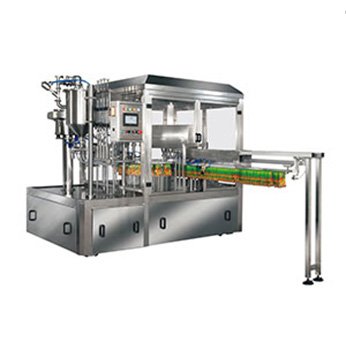
The Doypack packaging machine is an automated packaging equipment specifically designed for pre-made bags. With its high degree of automation and strong adaptability, it has become a core choice for medium- to large-scale production enterprises, especially suitable for use with stand-up pouches, stand-up zipper pouches, and other pre-made bags. Core Advantages: Extremely high degree of automation; it can automatically complete the entire process of bag picking, opening, filling, sealing, date printing, and finished product output without manual intervention, significantly reducing labor costs. Its strong adaptability allows for compatibility with various styles such as ordinary stand-up pouches, stand-up zipper pouches, and three-side seal pre-made bags. Switching between different specifications and types of pre-made bags is achieved simply by adjusting the equipment parameters, making bag changing convenient and efficient. Simultaneously, the equipment has high sealing precision, using heat sealing technology to ensure a firm seal and avoid product moisture problems caused by leaks or incomplete seals, ensuring stable packaging quality. Suitable for packaging high-end raisins and branded products, its stable packaging quality and aesthetically pleasing sealing effect effectively enhance the product’s perceived quality. Pairing with a linear multi-head scale: The key to accurate weighing: Raisins are lightweight and easily flowable, making manual weighing or ordinary weighing equipment prone to errors. The addition of a linear multi-head scale perfectly solves this problem. The linear multi-head scale uses multiple independent hoppers to simultaneously weigh raisins, rapidly capturing weight data with precise sensors. Through intelligent algorithms, it combines hoppers to achieve the closest possible weight, controlling the weighing error to within ±0.1g, far exceeding the accuracy of manual weighing. The linear multi-head scale seamlessly integrates with the Doy Pack packaging machine. After weighing, the raisins quickly fall into pre-opened pre-made bags via a conveyor channel, achieving a collaborative operation of “accurate weighing + rapid filling.” This ensures consistent weight in each bag without affecting packaging speed, avoiding cost waste or consumer complaints due to inaccurate weighing.
Vertical Packaging Machine
Vertical packaging machines are specialized equipment for back-sealing bag packaging. Through an integrated “bag making – filling – sealing” process, they achieve efficient and large-scale production, and are particularly suitable for use with ordinary back-sealing bags, back-sealing bags with easy-tear openings, and composite film back-sealing bags. Key advantages: Extremely high integrated operation efficiency. No pre-made packaging bags are required; the film roll is directly installed on the machine, and the bag-making mechanism processes it into back-sealing bags on-site, simultaneously completing filling and sealing. Production speed can reach 60-120 bags/minute, making it a “efficiency leader” for large-scale production. Flexible film material selection. Different materials such as ordinary PE film and composite film can be selected according to product needs, adapting to various protection requirements such as moisture-proof, light-proof, and high barrier properties. Furthermore, film costs are relatively lower than pre-made bags, effectively controlling packaging costs. Compact equipment structure, small footprint, simple operation, easy production line layout and maintenance, suitable for large-scale expansion by small and medium-sized enterprises. Suitable Scenarios: Ideal for large-scale standardized production (daily output ≥ 5 tons), especially suitable for small-sized individual packaging and bulk distribution products. For example, when producing 5g and 10g individually packaged raisins (for snack gift packs and hotel room accompaniments), or 20g and 50g mid-to-low-end distribution packages of raisins, the vertical packaging machine can achieve high-speed continuous production to meet the market’s large-scale supply demands. When combined with a composite film back-seal bag, the vertical packaging machine can also be adapted for the large-scale packaging of mid-to-high-end raisins, balancing quality and efficiency through the protective performance of the multi-layer composite film and the high-efficiency production capacity of the equipment.
Combined with a Linear Multi-Head Weigher: The linear multi-head weigher uses multiple hoppers to simultaneously feed and intelligently combine weighing, quickly and accurately measuring the raisins before uniformly conveying them to the feeding port of the vertical packaging machine. At this time, the bag-making mechanism of the vertical packaging machine has simultaneously processed the back-seal bag, accurately injecting the raisins into the bag at the feeding port, followed by sealing and cutting, with the entire process seamlessly connected. This combination not only solves the problem of inaccurate raisin measurement, but also matches the bag-making speed of the vertical packaging machine with the high-speed weighing capability of the multi-head scale, avoiding situations of “insufficient material supply” or “material accumulation”, ensuring stable production efficiency, and ensuring that the weight of each bag of product is consistent, thereby improving the level of product standardization.